Oregon Wine and Seafood Pairing: A Pacific Northwest Guide
In this article
Some pairings are invented in test kitchens. Others simply grow out of a place. On the Oregon coast, where cold Pacific water meets estuaries thick with oysters and rivers that still carry wild salmon home, the local wines seem almost designed for the local catch. Crisp Pinot Gris, mineral Chardonnay, racy Riesling and light, silky Pinot Noir share a quality that seafood loves: bright, refreshing acidity. We have spent many happy evenings testing these combinations at beach-house tables and backyard grills, and this guide distills what we have learned — the principles that make a pairing work, the best Oregon bottles for each Northwest favorite, a seasonal calendar, a crowd-pleasing cedar-plank salmon recipe and tips for hosting a seafood dinner of your own.
At a glance
- The golden rule: Match the weight of the wine to the richness of the dish, and lean on acidity.
- Raw oysters: Sparkling wine, Pinot Blanc or unoaked Chardonnay.
- Dungeness crab: Chardonnay or Pinot Gris.
- Wild salmon: Light-bodied Pinot Noir or rosé of Pinot Noir.
- Spicy or smoked fish: Off-dry Riesling.
- Tomato-based stews: Gamay or rosé.
- Before you harvest: Check current state shellfish safety closures and fishing regulations.
The Principles of Pairing Wine with Seafood
Forget the old rule that fish demands white wine. It is a decent starting point, but the real story is about structure: acidity, fat, salt, tannin and sauce.
Acidity is your best friend
A squeeze of lemon makes fish taste brighter and cleaner. High-acid wines do the same thing. Oregon’s cool climate preserves natural acidity in its grapes, which is a big reason its wines work so well with seafood. As a rule, the wine should be at least as tart as the dish.
Fat wants weight
Lean, delicate fish such as rockfish or petrale sole call for light, crisp wines. Rich, oily fish like king salmon or albacore can stand up to fuller wines, including barrel-aged Chardonnay and light reds. Butter, cream and aioli push a dish toward richer wines as well.
Salt loves bubbles
Briny foods, from oysters to smoked fish, make wines taste fruitier and softer. Sparkling wine is especially good with salt, because its acidity and fine bubbles scrub the palate clean between bites.
Tannin and fish oils
Here is the one rule worth taking seriously: heavily tannic red wines can clash with fish oils, producing an unpleasant metallic taste. That is why big, structured reds rarely suit seafood, and why low-tannin Pinot Noir and Gamay are the reds of choice.
Pair the sauce, not just the fish
Often the sauce matters more than the protein. Halibut with brown butter wants a different wine than halibut with salsa verde. Tomato-based dishes need acidity and a little fruit; spicy dishes welcome a touch of sweetness; creamy dishes want body.
Oregon Wines to Reach For
Pinot Gris
Oregon’s signature white grape is typically made in a fresh, fruity, medium-bodied style with notes of pear, apple and citrus. It is an all-rounder for crab, halibut, clams and fish tacos.
Chardonnay
Oregon Chardonnay has become one of the state’s great success stories. Unoaked or lightly oaked versions are taut and mineral, perfect for oysters and shellfish; richer barrel-fermented styles handle butter sauces, crab and grilled fish.
Riesling
Dry Riesling is laser-focused and electric with raw shellfish. Off-dry versions are our secret weapon for smoked fish and spicy preparations.
Sparkling wine
Oregon sparkling wine, often made from Pinot Noir and Chardonnay in the traditional method, has grown rapidly in quality and availability. It is the ultimate oyster wine and a festive opener for any seafood dinner.
Rosé of Pinot Noir
Dry, pale and strawberry-scented, Oregon rosé bridges white and red. It is lovely with salmon, tuna and tomato-based stews.
Pinot Blanc and Albariño
Pinot Blanc offers gentle texture with apple and almond notes, an elegant match for delicate white fish. From southern Oregon’s Umpqua and Rogue valleys, Albariño brings saline, citrusy vibrancy that seems made for clams and oysters.
Light Pinot Noir and Gamay
Choose lighter, red-fruited Pinot Noir for salmon and tuna. Gamay, juicy and low in tannin, is wonderful slightly chilled with cioppino or grilled fish. For a deep dive into the state’s signature red, see our Willamette Valley Pinot Noir guide.
Quick-reference pairing chart
| Seafood | Preparation | Oregon wine to pour |
|---|---|---|
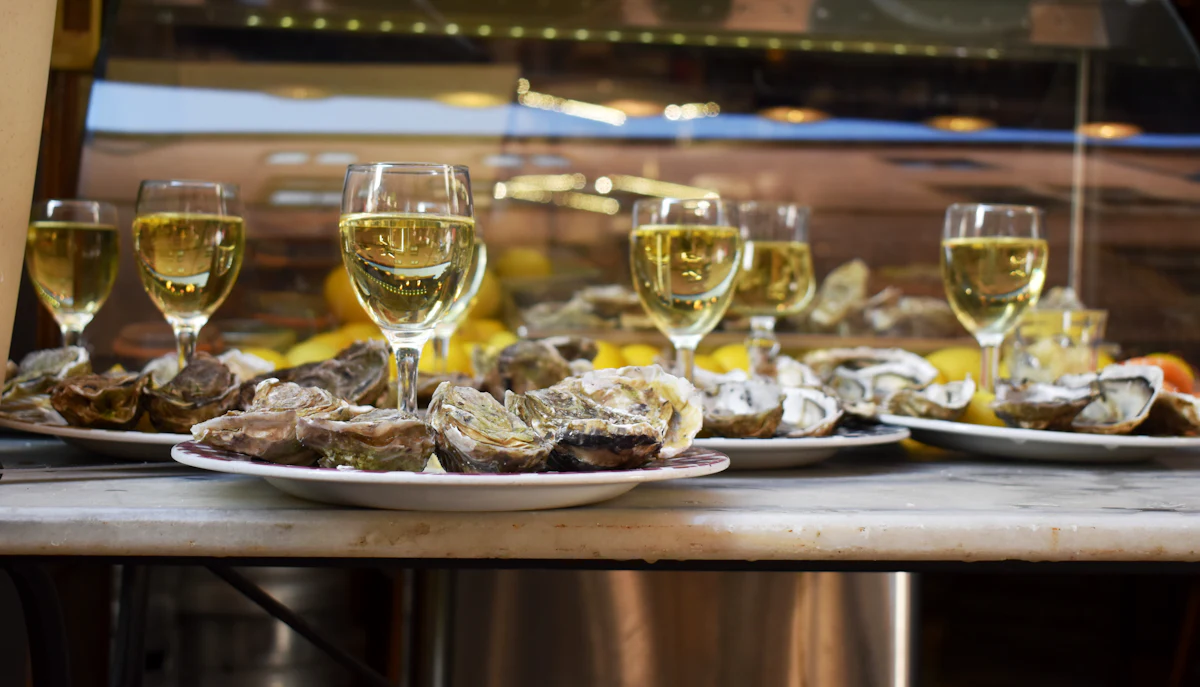
| Pacific oysters | Raw on the half shell | Sparkling, dry Riesling, unoaked Chardonnay |
| Kumamoto oysters | Raw with mignonette | Pinot Blanc, Albariño, sparkling |
| Dungeness crab | Steamed with butter | Barrel-fermented Chardonnay, Pinot Gris |
| King salmon | Grilled or cedar-planked | Pinot Noir |
| Sockeye or coho | Seared or roasted | Rosé of Pinot Noir, light Pinot Noir |
| Halibut | Pan-roasted with butter | Chardonnay, Pinot Blanc |
| Rockfish | Fish tacos or fried | Pinot Gris, Albariño |
| Razor clams | Pan-fried | Pinot Gris, sparkling |
| Albacore tuna | Seared rare | Rosé, light Pinot Noir |
| Smoked salmon | Hot-smoked | Off-dry Riesling, sparkling |
| Cioppino | Tomato-based stew | Gamay, rosé, light Pinot Noir |
Oysters and Razor Clams
Pacific oysters
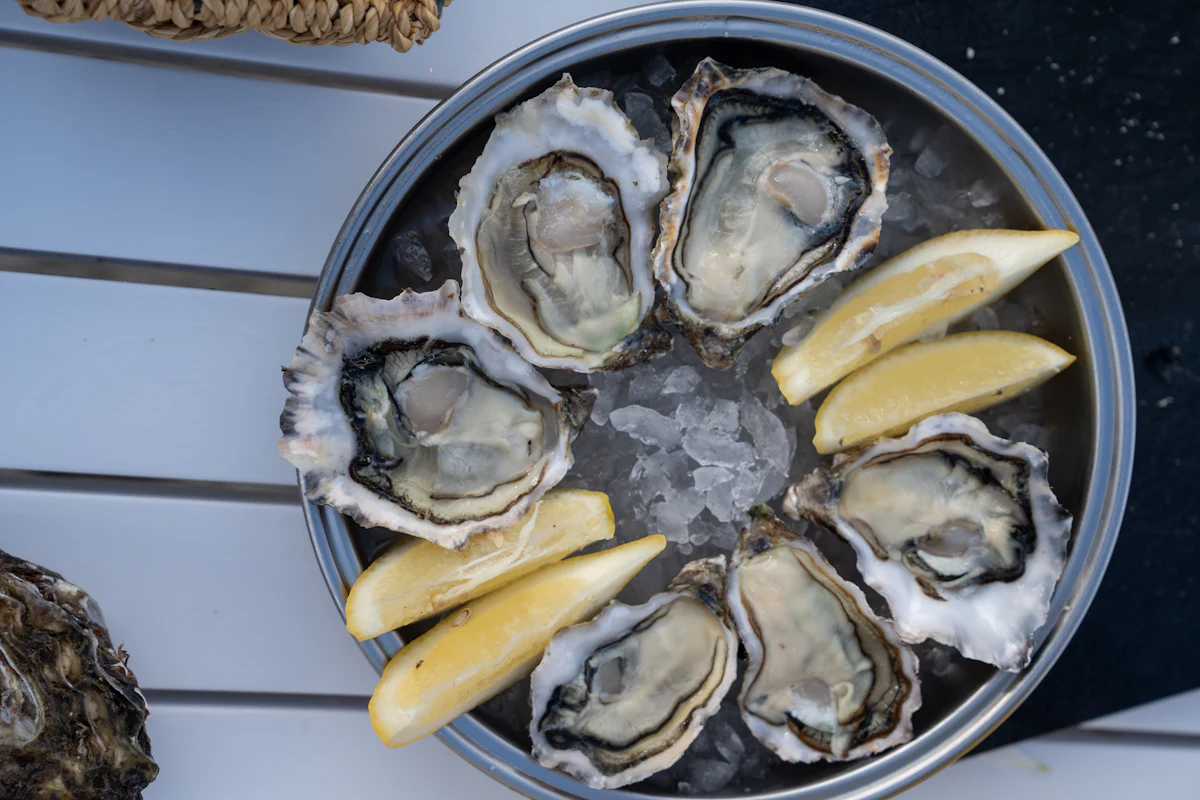
The Pacific oyster is the workhorse of West Coast oyster farming, and Oregon’s bays produce plump, briny examples. Their flavor ranges from bracingly salty to sweet and cucumber-fresh depending on where and how they are grown. Sparkling wine and dry Riesling are classic partners; unoaked Chardonnay brings a mineral echo.
Kumamotos
Small, deep-cupped and sweet, with a mild brine and melon-like finish, Kumamotos are perfect for newcomers to oysters. Their delicacy suits Pinot Blanc or Albariño, wines that will not overwhelm them.
Toppings matter
A shallot mignonette adds acidity, so choose a wine with plenty of its own. Cocktail sauce and horseradish are tougher on wine; sparkling handles them best. Grilled or barbecued oysters with garlic butter move toward richer Chardonnay.
Razor clams
Digging razor clams on the north coast’s sandy beaches at low tide is a Northwest rite of passage. Their sweet, firm meat is usually dredged in flour and pan-fried, which calls for a wine that cuts fat: Pinot Gris or sparkling wine. Shellfish harvests are subject to closures for marine biotoxins and seasonal conservation, so always check state shellfish safety updates before digging.
Dungeness Crab
Sweet, rich and gloriously messy, Dungeness crab is the Northwest’s celebration food. The commercial season in Oregon traditionally opens in early winter, though opening dates can shift depending on crab quality and safety testing.
Steamed with drawn butter
The simplest preparation calls for a wine with richness and acidity in balance. Barrel-fermented Oregon Chardonnay mirrors the butter while keeping the crab’s sweetness in focus. Pinot Gris is a fresher, fruitier option.
Crab cakes and Crab Louie
Crispy crab cakes with a tangy aioli love sparkling wine or Pinot Gris. A Crab Louie, with its creamy dressing and crisp vegetables, works with dry rosé or an unoaked Chardonnay.
Wild Salmon and Pinot Noir
If the Pacific Northwest has a signature pairing, this is it. Salmon’s richness and gentle flavor make it one of the few fish that genuinely shines with red wine, as long as the wine is low in tannin.
King (Chinook)
The richest and most luxurious salmon, with buttery, high-fat flesh. King salmon stands up to a medium-bodied Pinot Noir with red and dark fruit.
Sockeye
Deep red and leaner, with an intense, almost meaty flavor. Sockeye pairs well with rosé or a light, bright Pinot Noir. Take care not to overcook it.
Coho (silver)
Milder and more delicate, coho works beautifully with rosé of Pinot Noir, Pinot Gris or a very light red.
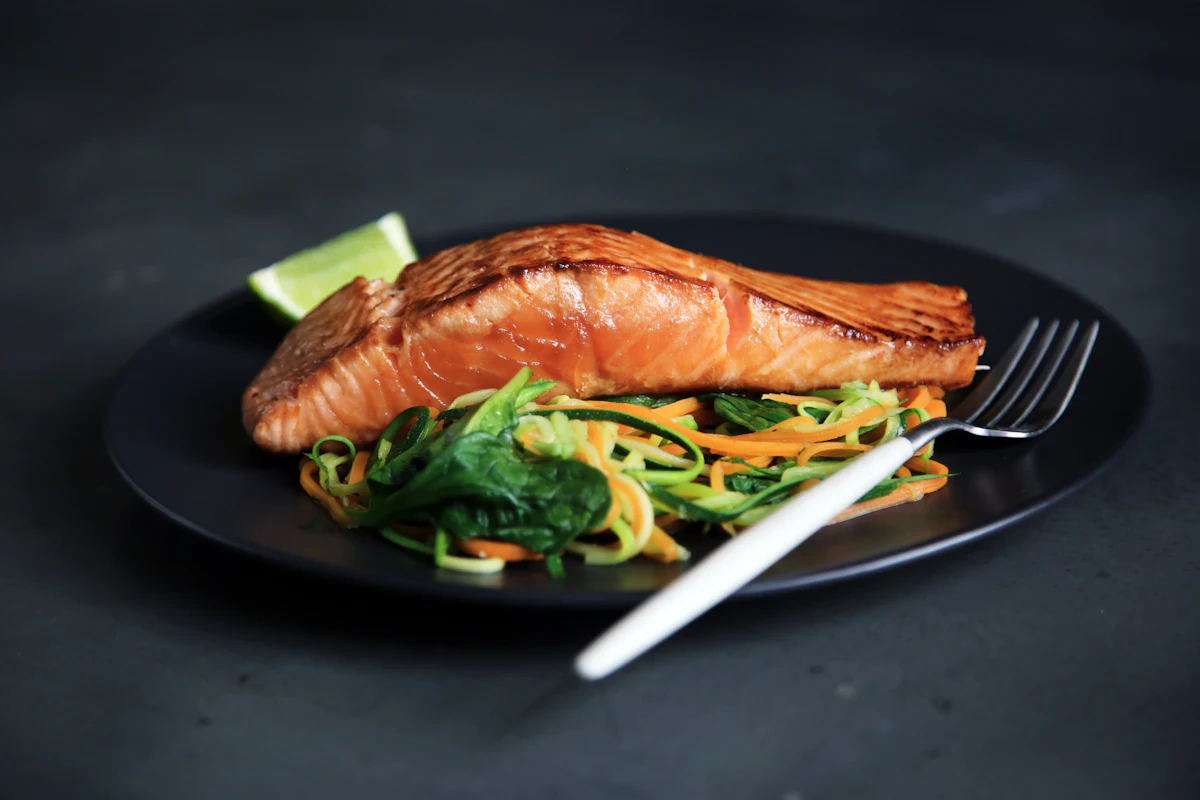
Recipe: Cedar-plank salmon with Pinot Noir glaze
Cedar-plank salmon with Pinot Noir glaze
Serves 4. Active time about 30 minutes, plus 1 to 2 hours to soak the plank.
- 1 untreated cedar grilling plank
- 1½ to 2 pounds wild salmon fillet, skin on, pin bones removed
- 1 tablespoon olive oil
- 1 teaspoon kosher salt and ½ teaspoon black pepper
- 1 cup Oregon Pinot Noir
- 1 small shallot, finely minced
- 1 sprig fresh thyme
- 3 tablespoons honey
- 1 tablespoon balsamic vinegar
- 1 teaspoon Dijon mustard
- 1 tablespoon cold butter
- Lemon wedges and chopped toasted hazelnuts, to serve
- Submerge the cedar plank in water, weighted down, for 1 to 2 hours.
- Make the glaze: simmer the Pinot Noir, shallot, thyme, honey and balsamic in a small saucepan until reduced to about ⅓ cup and syrupy, 15 to 20 minutes. Off the heat, discard the thyme and whisk in the Dijon and butter.
- Pat the salmon dry, rub with olive oil, and season with salt and pepper. Let it sit for 15 minutes.
- Heat a grill to medium-high, setting it up with a cooler zone for indirect heat. Place the soaked plank over direct heat for 3 to 4 minutes until it begins to crackle and smoke, then flip it.
- Set the salmon skin-side down on the plank, move it to the cooler zone, and close the lid. After about 8 minutes, brush generously with glaze.
- Continue cooking until the salmon flakes easily at its thickest point, usually 12 to 20 minutes total depending on thickness. Leaner sockeye and coho cook faster than king.
- Brush with the remaining glaze, scatter with hazelnuts and serve with lemon wedges. Keep a spray bottle of water nearby in case the plank flares.
No grill? Bake the salmon on the soaked plank set on a sheet pan in a 400°F oven for a similar time. Pour the same style of Pinot Noir you used in the glaze.
Halibut, Rockfish and Albacore Tuna
Pacific halibut
Firm, sweet and snow-white, halibut is a blank canvas. Pan-roasted with brown butter, it wants Chardonnay. Grilled with herbs and lemon, it pairs well with Pinot Blanc or Pinot Gris. Halibut seasons are limited, so savor it when you see it.
Rockfish
Often sold as “rock cod” or Pacific snapper, rockfish is mild and flaky — ideal for fish tacos, fish and chips, or a simple sauté. Pinot Gris and Albariño are both excellent; with a crisp fried coating, sparkling wine is hard to beat.
Albacore tuna
Oregon’s troll-caught albacore arrives in summer and early fall, when warm offshore currents bring the fish within reach of the fleet. Its rich, meaty flesh is superb seared rare. This is a great place for rosé or a light, chilled Pinot Noir. Canned local albacore, packed in its own juices, makes a fine picnic lunch with Pinot Gris.
The best pairing rule we know is also the simplest: drink what grows near the water your fish came from.
Smoked Fish, Shellfish Stews and Cioppino
Smoked salmon and albacore
Smoke and salt are tricky for dry wines, which can taste thin or bitter against them. Off-dry Riesling is the answer: its touch of sweetness and bright acidity balance the smoke beautifully. Sparkling wine is a close second, and a dry rosé works with lighter, cold-smoked salmon.
Steamed clams and mussels
Steamed in white wine, garlic and butter, shellfish want the same wine that went into the pot — Pinot Gris, Albariño or unoaked Chardonnay.
Cioppino
This tomato-rich seafood stew, loaded with crab, clams, mussels and fish, is a classic of the West Coast. Its acidity and garlic call for a wine with fruit and freshness: slightly chilled Gamay, dry rosé or a light Pinot Noir. Serve with crusty bread and plenty of napkins.
A Seasonal Calendar of Pacific Northwest Seafood
Seasons vary by species, location and year, and are set by state and federal managers. Use this as a general guide and check current regulations before fishing or harvesting.
| Season | What to look for | Wines to pour |
|---|---|---|
| Winter | Dungeness crab, oysters at their crisp best | Chardonnay, sparkling, Pinot Gris |
| Spring | Spring Chinook, halibut openings, razor clams | Pinot Noir, Pinot Blanc, Pinot Gris |
| Summer | Wild salmon, albacore, rockfish | Rosé, light Pinot Noir, Albariño |
| Fall | Salmon runs, albacore, oysters returning to form | Pinot Noir, Gamay, Riesling |
Oysters are often at their best in the cooler months, when they are firm and briny rather than soft from summer spawning. In the warmer months, buy from reputable sources that handle oysters carefully.
Tips for Hosting a Northwest Seafood Dinner
Temperature
Serve whites and sparkling well chilled, but not ice-cold — about 45 to 50°F lets aromas show. Give Pinot Noir and Gamay 15 to 20 minutes in the refrigerator before serving; a slightly cool red is far better with fish than a warm one.
Order of service
Move from lightest to richest: sparkling with oysters, crisp whites with crab or clams, then rosé or Pinot Noir with salmon. Your guests’ palates will thank you.
How much to buy
Plan on roughly half a bottle per guest over a long dinner, and a little extra sparkling for welcome drinks. Unopened bottles keep well, and our home wine cellar guide explains how to store them.
Set the table for mess
For crab or cioppino, cover the table with paper, set out shell bowls, crackers and wet towels. Good wineglasses matter less than plenty of napkins. For a weekend road trip that combines great food and wine, try our Columbia River Gorge food and wine weekend, and for adventurous whites that also love seafood, read our piece on skin-contact wines.
Final Thoughts
Pairing Oregon wine with Northwest seafood is less about rules than about rhythm: bright acid with briny shellfish, gentle Pinot Noir with rich salmon, a touch of sweetness for smoke and spice. Start with the principles, trust your palate, and let the season guide what lands on the table. The happy truth is that the region’s wines and its waters grew up together, and they nearly always get along.
Want to sharpen your palate before your next seafood feast? Join one of our wine education classes, where we taste Oregon wines side by side with the foods they love.
Frequently asked questions
Can you drink red wine with fish?
Yes, as long as the wine is low in tannin, since heavy tannins can clash with fish oils and taste metallic. Light-bodied Pinot Noir and Gamay are excellent with rich fish like salmon and tuna.
What Oregon wine goes best with oysters?
Sparkling wine, dry Riesling, unoaked Chardonnay and Pinot Blanc are all superb with raw oysters because their acidity and minerality complement the brine. Southern Oregon Albariño is another bright, saline option worth seeking out.
What wine should I serve with Dungeness crab?
Oregon Chardonnay is the classic choice, with barrel-fermented styles mirroring drawn butter and unoaked styles keeping things crisp. Pinot Gris is a fresher, fruitier alternative that works with crab cakes and salads too.
Why does Pinot Noir pair so well with salmon?
Salmon is rich enough to stand up to a red wine, and Pinot Noir’s bright acidity and low tannin cut through the fat without clashing with the fish oils. Its red-fruit and earthy notes also flatter grilled and cedar-planked preparations.