Columbia River Gorge Food & Wine Weekend: A 2-Day Itinerary
In this article
Some weekends ask very little of you: a drive, a glass, a view. The Columbia River Gorge asks for a bit more, then gives back a great deal. Within roughly an hour of downtown Portland, the river cuts a sea-level passage straight through the Cascade Range, and in the space of a single morning you can walk beneath moss-draped waterfalls, eat a pear picked that week, and taste a Syrah grown on a sun-baked basalt slope where the rainforest has given way to sagebrush. We have driven this corridor in every season, and this is the itinerary we hand to friends: two full days and two nights, built around the gorge’s waterfalls, its orchards, and the wine country that straddles Oregon and Washington.
At a glance
- Trip length: 2 days / 2 nights, based in Hood River
- Distance: Hood River is roughly an hour east of Portland via I-84; the far east end of the loop is about another hour beyond
- Best seasons: April–May for blossoms and wildflowers; June–August for fruit; September–October for harvest
- Wine region: Columbia Gorge AVA, on both sides of the river
- Permits: Timed-use permits have been required for Multnomah Falls and the Waterfall Corridor in peak seasons in recent years — check the USDA Forest Service Columbia River Gorge page before you go
- Don’t miss: The Historic Columbia River Highway, the Hood River County Fruit Loop, and the climate shift east of Mosier
Why the Gorge Belongs on Every Food Lover’s Map
The Columbia River Gorge National Scenic Area runs for about 80 miles along the river, and what makes it extraordinary for eating and drinking is not any single attraction but the speed at which everything changes. The Cascades catch Pacific moisture on their western flank, so the west end of the gorge is green, wet and cool. Travel east and the mountains’ rain shadow takes over. Within a drive of less than an hour, annual rainfall drops dramatically, the Douglas-fir forest thins into oak woodland and then open grassland, and summer afternoons turn hot and dry.
One river, many climates
For farmers and winemakers, that compressed gradient is a gift. Hood River Valley orchards benefit from mountain water, volcanic soils and cool nights, and vineyards a few miles apart can ripen entirely different grapes — cool-climate Pinot Noir and warm-climate Zinfandel on the same afternoon.
When to Go: The Gorge Through the Seasons
There is no wrong season in the gorge, only different trips.
Spring: blossoms and wildflowers
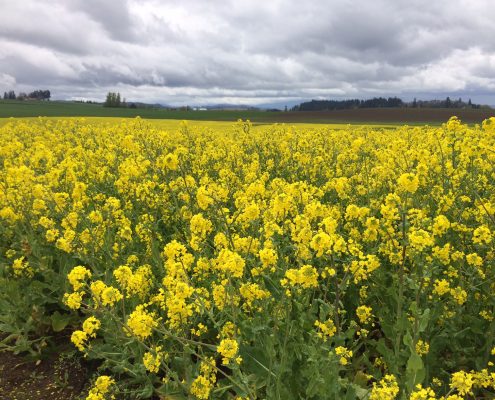
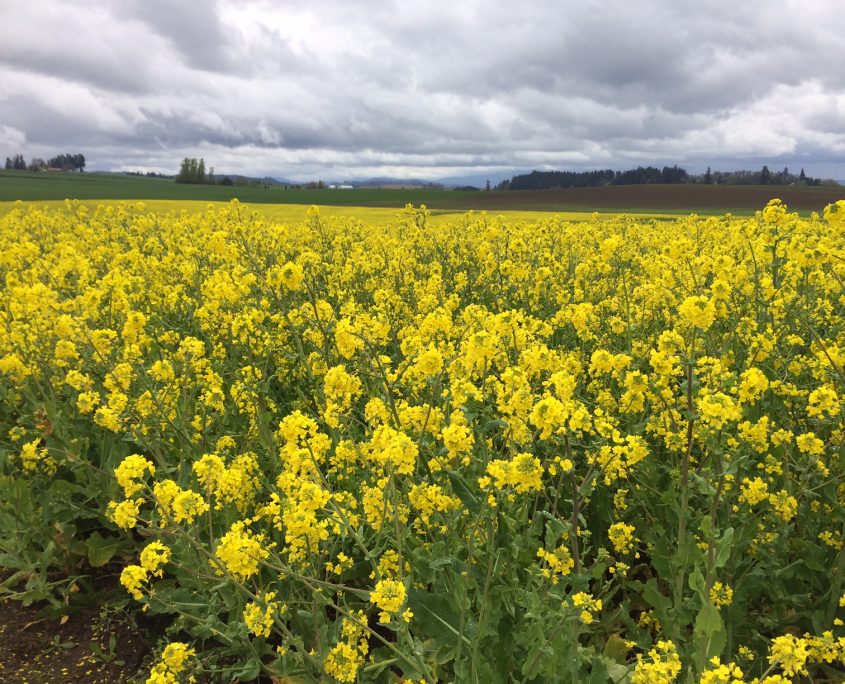
From roughly late March through April, the orchards of the Hood River Valley bloom in waves — pears and cherries first, then apples — with Mount Hood still snow-capped behind them. In the east gorge, spring brings wildflowers to the grassy plateaus around Mosier and Rowena, with yellow balsamroot and purple lupine carpeting the hillsides. Waterfalls run at full force from snowmelt. Expect cool, changeable weather and occasional showers.
Summer: stone fruit and berries
Cherries arrive in early summer, followed by apricots, peaches, berries and lavender. This is peak season for farm stands and the busiest time on the waterfall corridor, so plan around permits and crowds. East of Hood River, afternoons can be genuinely hot; tasting rooms with shaded patios become precious real estate.
Fall: harvest in orchards and vineyards
September and October are our favorite months. Pears and apples fill the bins, cideries pour fresh releases, and grape harvest is underway on both sides of the river. The light turns golden, the bigleaf maples on the west end go yellow, and the valley hosts harvest celebrations most weekends. Book lodging early.
Winter: quiet, beautiful and occasionally treacherous
Winter can be magical — frozen waterfalls, empty trails, warm tasting rooms — but it also brings strong east winds, freezing rain and ice storms. I-84 and sections of the Historic Highway can close with little notice, many farm stands shut for the season, and some tasting rooms cut hours. Check ODOT’s TripCheck, carry traction devices and stay flexible.
Day One: The Historic Highway, Waterfalls and the Fruit Loop
Start early. The single best piece of advice we can give for the waterfall corridor is to arrive before the crowds, and the Historic Columbia River Highway rewards a slow, unhurried pace.
Morning: the Historic Columbia River Highway
From Portland, take I-84 east and exit toward Corbett to pick up the Historic Columbia River Highway. Built in the 1910s and early 1920s and celebrated as one of the country’s earliest scenic highways, the road curves along the cliffs with stone walls and graceful bridges designed to frame the landscape. Your first major stop is Vista House at Crown Point, perched high above the river with sweeping views both upstream and down. On a clear morning it is one of the great vantage points in the Northwest.
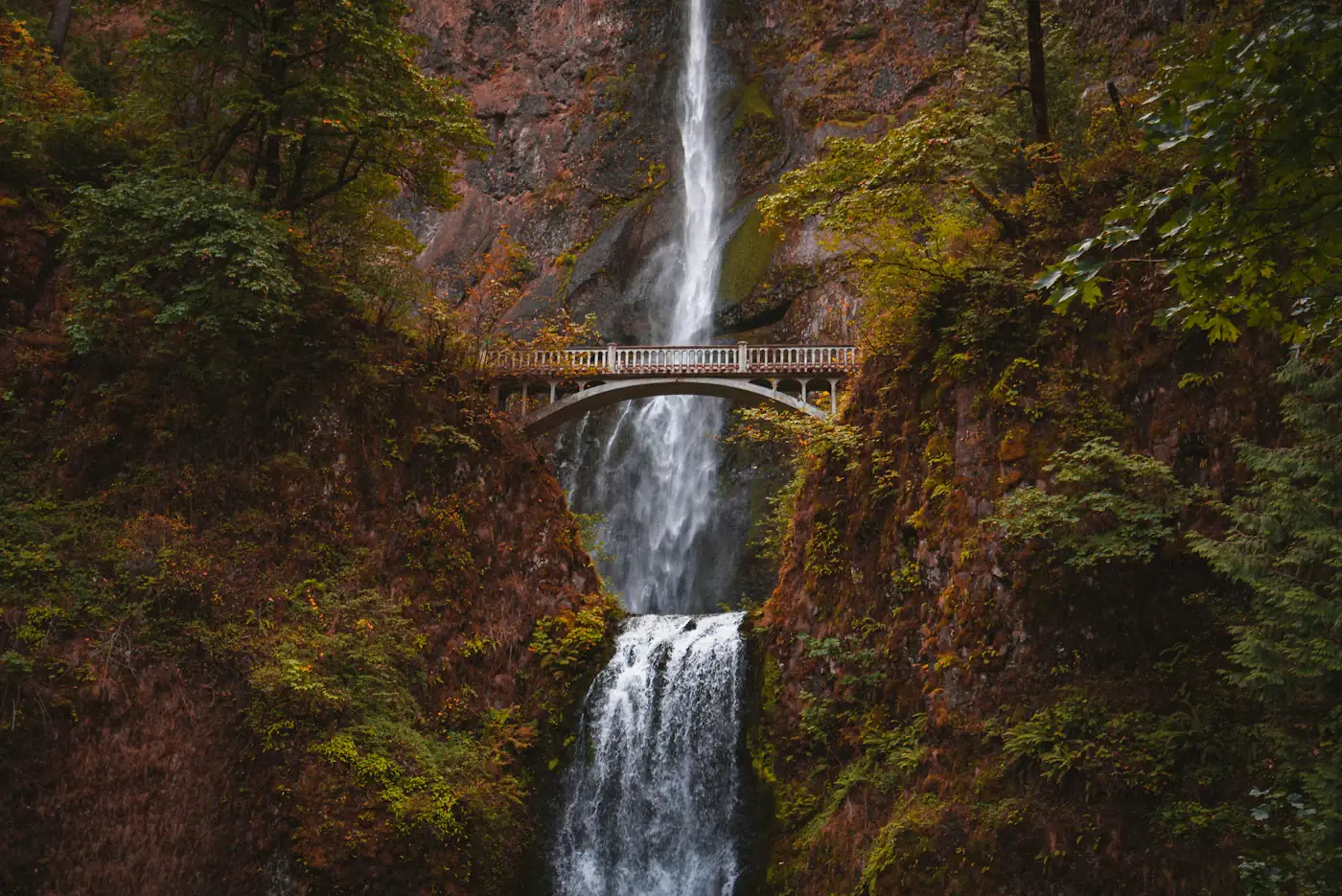
Continuing east, the highway drops into the forest and strings together a series of waterfalls within a few miles: Latourell Falls, a slender plume over columnar basalt; Bridal Veil Falls, a short walk from its parking area; Wahkeena Falls, tumbling in lacy steps; and then Multnomah Falls, the gorge’s most famous landmark, plunging in two tiers to a pool spanned by the much-photographed Benson Bridge.
Permits and parking
In recent years, timed-use permits have been required to visit Multnomah Falls and to drive the Waterfall Corridor section of the Historic Highway during peak seasons, generally late spring through early fall. The rules, dates and booking process have changed from year to year, so check the USDA Forest Service Columbia River Gorge National Scenic Area site before you go and reserve as early as you can. Parking at the popular trailheads fills quickly regardless of permits; arriving early, carpooling or using transit options where available all help.
Midday: east to Hood River
After Multnomah Falls, rejoin I-84 and continue east past Cascade Locks, where the Bridge of the Gods crosses to Washington. Hood River sits about an hour from Portland without stops, perched above the confluence of the Hood and Columbia rivers. The town is compact and walkable, with brick storefronts climbing the hillside and a waterfront that fills with kiteboarders whenever the wind is up. Lunch is easy, from bakeries and cafes to brewpubs with river views; look for menus that name their farms.
Afternoon: the Hood River County Fruit Loop
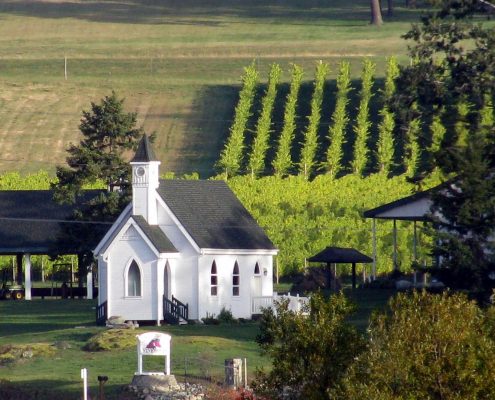
The Fruit Loop is a self-guided route of roughly 35 miles through the Hood River Valley, linking farm stands, orchards, wineries, cideries, lavender fields and the occasional alpaca farm, all with Mount Hood looming to the south. Drive it counterclockwise or clockwise; either way, give yourself at least three hours and resist the urge to stop everywhere.
What you find depends on the month. Spring brings blossoms and early greens; summer means cherries, berries, apricots and peaches; fall is the time for pears and apples, including heirloom varieties you will rarely see in supermarkets. The Hood River Valley is one of the country’s important pear-growing regions, and tasting a perfectly ripe Comice or Bosc at a farm stand is a small revelation. Many stops also sell preserves, cider, baked goods and honey — perfect picnic provisions.
In the gorge, the distance between the tree and the table is often measured in miles, not days — and you can taste the difference.
Evening: dinner in Hood River
Return to town for dinner. Hood River’s dining scene punches well above its size, from wood-fired pizza to Northwest bistros and taprooms. Ask what came from the valley that week, and reserve ahead on busy weekends.
Day Two: Wine Country on Both Sides of the River
Today is about wine and the dramatic climate shift as you travel east. The route below makes a loop: east along the Oregon side, across the river, and back west along Washington’s State Route 14. Before you pour a single glass, decide who is driving — or better yet, let someone else do it.
Morning: Mosier and Rowena Crest
Ten minutes or so east of Hood River lies Mosier, a tiny town with a handful of farms, a few tasting rooms and access to the Historic Columbia River Highway State Trail, where a paved, car-free section passes through the restored Mosier Twin Tunnels. Walk or bike a stretch of it for river views. Then drive the old highway east to Rowena Crest, where the road loops in tight curves above the river and the Tom McCall Preserve trails climb into grassland that blazes with wildflowers in spring. Notice the change: you have left the rainforest behind, and the landscape now feels like the interior West.
Midday: The Dalles
Continue to The Dalles, about 20 miles east of Hood River. One of the oldest communities in the region, it is a working river town surrounded by cherry orchards and dryland farms. It is a good place for lunch and a stroll, and it marks the beginning of the east gorge’s warmer, drier wine-growing conditions.
Afternoon: the Washington side and the Maryhill area
Cross to Washington and follow State Route 14 along the river. The Maryhill area, farther east on the Washington side, offers broad, sunny slopes planted to vines, tasting rooms with dramatic river views, and a striking museum and memorial set on the bluffs. Then turn west and work your way back toward Hood River, stopping at a tasting room or two around Lyle, Underwood or White Salmon. As you drive west, watch the hills turn from gold to green again. Cross the Hood River Bridge back into Oregon (note that some gorge bridges charge tolls) and return to town for dinner.
Understanding Columbia Gorge Wine
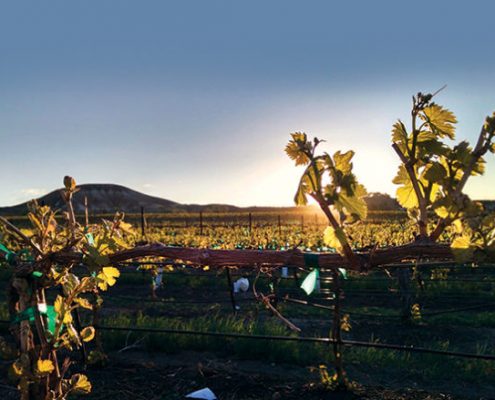
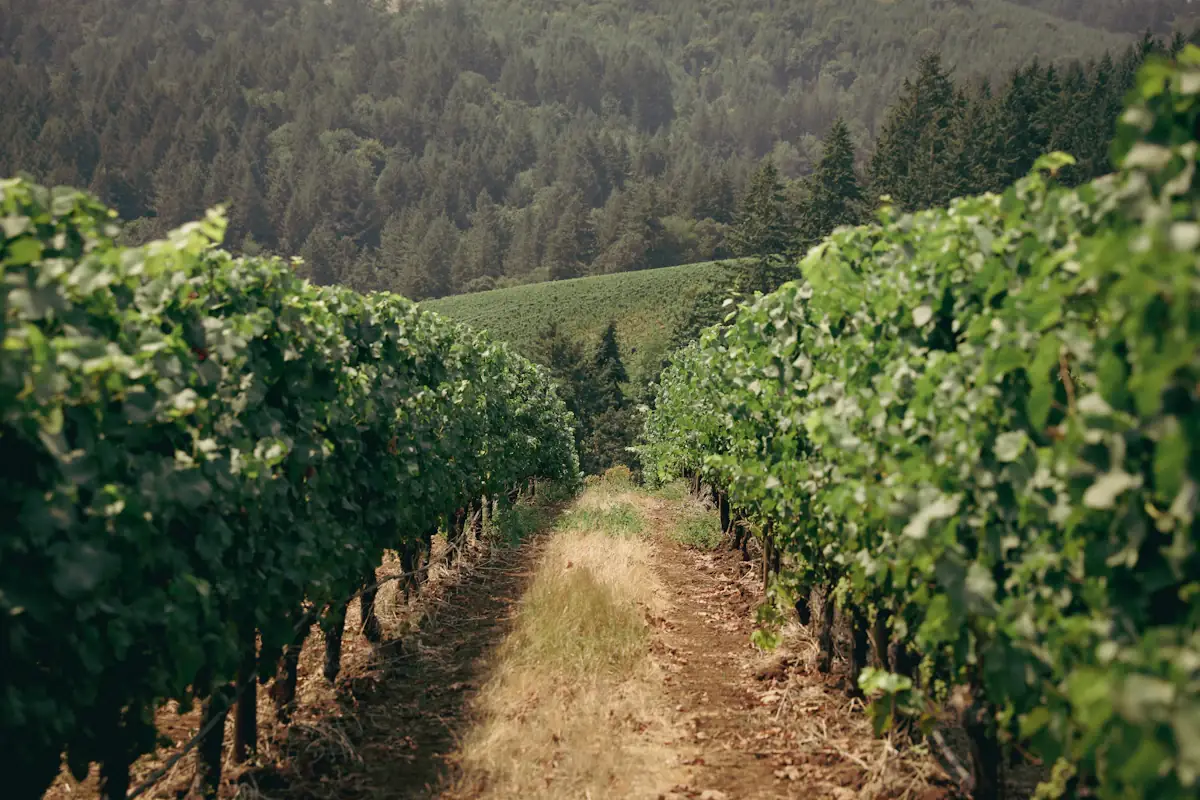
The Columbia Gorge AVA spans both sides of the river, taking in parts of Oregon and Washington. Because the climate changes so quickly from west to east, the region grows an unusually wide range of grapes within a small area. That diversity can be confusing on paper, but it is one of the most rewarding things about tasting here.
The cooler west: Pinot Noir, Chardonnay and aromatic whites
Around Hood River and the western reaches of the wine country, with more rainfall and cooler temperatures, growers favor varieties that thrive in a shorter, gentler season. Look for Pinot Noir, Chardonnay, Gewürztraminer, Riesling and Pinot Gris. These wines tend to show bright acidity and lifted aromatics — think crisp orchard fruit in the whites and red berries and spice in the Pinot.
The warmer east: Syrah, Zinfandel and Bordeaux varieties
Move east toward The Dalles and the Maryhill area, and the growing season becomes warmer and drier. Here you will find riper, fuller red varieties such as Syrah, Zinfandel, Cabernet Sauvignon, Merlot and Cabernet Franc, along with a range of other warm-climate grapes. These wines often show darker fruit, more body and a savory, sun-warmed character.
How to taste the gradient
The most illuminating exercise is to taste the same variety from different ends of the gorge. A Syrah from a cooler site may be peppery and lean; one from the east, plusher and riper. Ask staff where their grapes are grown — many producers source from vineyards on both sides of the river — and you will start to taste the map.
Your Weekend at a Glance
Drive times are approximate and assume normal traffic and road conditions.
| When | Where | What to do | Approx. drive |
|---|---|---|---|
| Day 1, early morning | Historic Columbia River Highway, Vista House | Scenic drive, viewpoints, photos | About 30–45 minutes from Portland |
| Day 1, morning | Waterfall Corridor, Multnomah Falls | Short walks to waterfalls (permit may be required) | Short hops between falls |
| Day 1, midday | Hood River | Check in, lunch, stroll downtown | About 45 minutes from Multnomah Falls |
| Day 1, afternoon | Hood River County Fruit Loop | Farm stands, orchards, cideries, wineries | Roughly 35-mile loop |
| Day 1, evening | Hood River | Farm-to-table dinner | — |
| Day 2, morning | Mosier and Rowena Crest | Twin Tunnels walk, viewpoints, wildflowers | About 10–20 minutes from Hood River |
| Day 2, midday | The Dalles | Lunch, east-gorge tasting | About 15–25 minutes from Mosier |
| Day 2, afternoon | Washington side, Maryhill area to White Salmon | Tasting rooms, river views | About an hour or more of total driving |
| Day 2, evening | Hood River | Dinner and a final glass | — |
| Departure morning | Hood River to Portland | Breakfast, last farm-stand stop | About 1 hour |
Where to Eat and Drink
We have deliberately avoided naming restaurants: the gorge’s dining scene evolves quickly, and the best choice depends on the season. Instead, here is how to eat well.
Follow the farms
Farm stands sell fruit at peak ripeness, and many restaurants in Hood River and The Dalles build menus around it — cherry and berry desserts in summer, pears and apples in everything come fall.
Cider and beer are part of the story
The valley’s orchards make it a natural home for craft cider, and Hood River has a strong brewing tradition. A cider flight is a delicious way to taste the orchards.
Packing List and Practical Planning
You may need gear for rain, sun and wind in a single day.
What to pack
- A waterproof shell for the misty waterfall trails, even in summer
- Layers: a warm fleece or sweater for windy viewpoints and cool evenings
- Sturdy walking shoes with good grip for wet, rocky paths
- Sun protection: hat, sunglasses and sunscreen for the open east gorge
- A reusable water bottle and snacks
- A cooler with ice packs for fruit, cheese and wine purchases (never leave wine in a hot car)
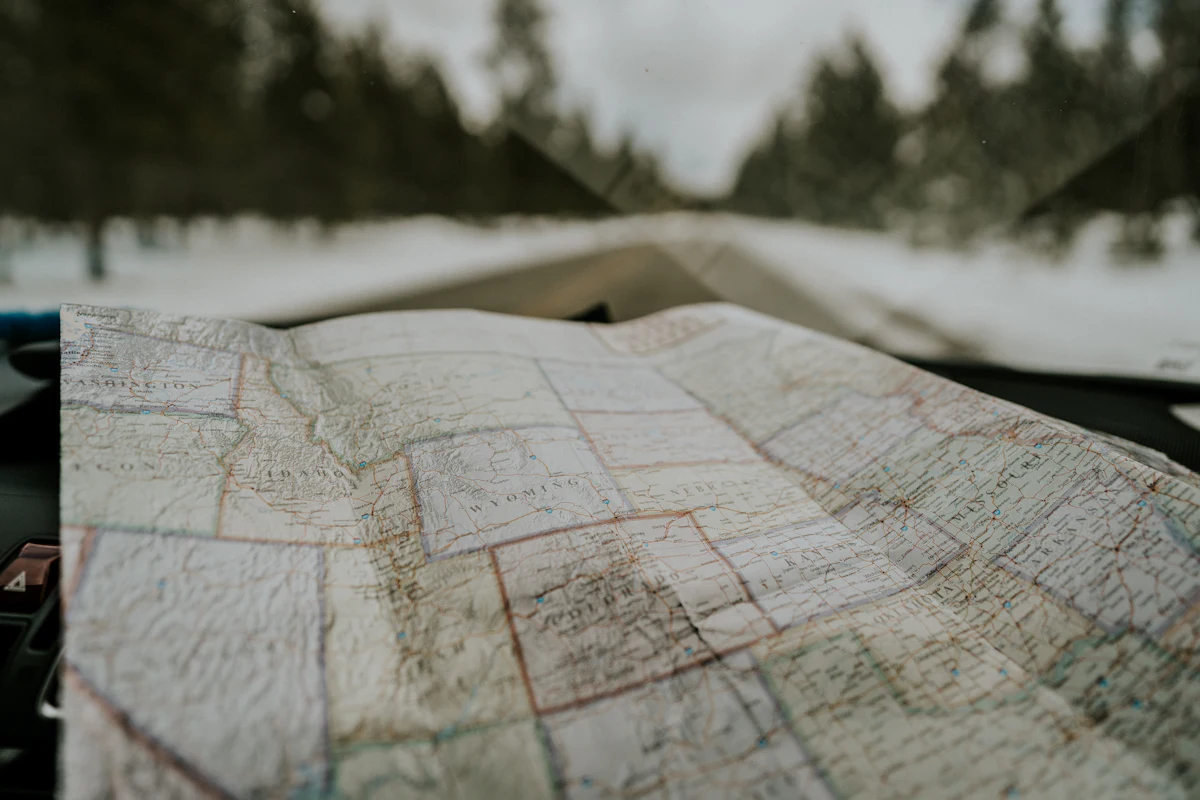
- A printed or downloaded map — cell coverage is patchy in places
- Traction devices and an emergency kit in winter
Getting around
A car gives you the most flexibility, but tasting and driving do not mix: designate a driver, hire a guide or join a tour. Seasonal transit has served some gorge destinations in recent years; check current schedules.
Booking ahead
Reserve lodging early for summer and harvest weekends, book permits as soon as they open, and confirm whether priority wineries require appointments.
Safety and Leave No Trace
On the trails
Stay on marked trails and behind railings. Waterfall areas are wet, slippery and lined with steep drop-offs. Rockfall is a known hazard in the gorge, and trails and areas can close after storms, wildfire or landslides. Summer and early fall also bring high wildfire risk, especially in the dry east, so follow all fire restrictions. Check current conditions before you set out, and turn back if a trail looks unsafe.
Leave No Trace
Pack out everything you bring in, including food scraps. Stay on durable surfaces to protect fragile wildflower meadows and mossy slopes, never pick flowers or orchard fruit without permission, and give wildlife plenty of room.
Drink responsibly
Pace your tastings, drink water between pours and share flights. The gorge’s winding, busy roads are no place for impaired driving.
Final Thoughts: A Weekend That Tastes Like Its Landscape
What stays with us after every gorge weekend is the way the landscape and the table mirror each other. The cool, misty west tastes like crisp Pinot Noir and juicy pears; the sunny east tastes like ripe Syrah and summer cherries. Plan around the seasons, start early, book permits ahead, and leave room for unscheduled stops. The gorge always seems to reward curiosity.
Want a version of this weekend tailored to your tastes, with tasting appointments booked and a driver handled? Our custom culinary itineraries map out every stop, and our wine country tours let you sip the gorge while someone else takes the wheel.
Frequently asked questions
How far is Hood River from Portland?
Hood River is roughly an hour east of Portland via Interstate 84 without stops. Allow much more time if you take the Historic Columbia River Highway and stop at the waterfalls, and check road conditions in winter.
Do I need a permit to visit Multnomah Falls?
In recent years, timed-use permits have been required for Multnomah Falls and the Waterfall Corridor of the Historic Columbia River Highway during peak seasons, generally late spring through early fall. Dates and rules change, so check the USDA Forest Service Columbia River Gorge National Scenic Area website before you go.
What grapes grow in the Columbia Gorge AVA?
The cooler, wetter west end around Hood River favors Pinot Noir, Chardonnay, Gewürztraminer and other aromatic whites. The warmer, drier east end toward The Dalles and the Maryhill area grows riper reds such as Syrah, Zinfandel and Bordeaux varieties.
When is the best time for a food and wine trip to the Gorge?
Spring brings orchard blossoms and wildflowers, summer brings cherries and stone fruit, and September through October offers pear and apple season plus grape harvest. Winter is quiet and beautiful but can bring ice, closures and reduced tasting-room hours.