Portland Food Carts: A Neighborhood-by-Neighborhood Eating Guide
In this article
There is a particular Portland sound we have come to love: the hiss of a flat-top grill, the clatter of a serving window sliding open, and someone calling a name over the hum of a generator while rain taps on a canvas awning. Food carts are not a novelty here; they are part of the city’s everyday rhythm, the place we grab a weekday lunch, feed visiting friends, and argue happily about whose dumplings are best. A single lot can hold a dozen kitchens and a dozen cuisines, many run by first-generation cooks sharing family recipes for the price of a casual lunch. This guide explains how Portland’s cart culture grew, how the clusters we call “pods” work, what to order, and how to explore the scene neighborhood by neighborhood — with a self-guided crawl you can follow this weekend.
At a glance
- What: Hundreds of licensed food carts across the city, many gathered in shared lots known as pods.
- Best for: Affordable, adventurous eating; trying several cuisines in one sitting; casual group meals.
- Peak hours: Weekday lunch downtown; evenings and weekends on the east side.
- Payment: Most carts take cards, but carry a little cash as backup.
- Weather: Look for pods with covered or heated seating from October through May.
- Golden rule: Pods open, close and move. Check hours and locations before you go.
How Portland Became a Food Cart City
Parking lots and low overhead
Portland’s food carts took off in the late 1990s and 2000s thanks to a fortunate combination of circumstances. Downtown had plenty of surface parking lots, and property owners discovered they could rent the edges to small, wheeled kitchens. Carts cost a fraction of what a restaurant build-out does, which opened the door to immigrant families, career-changers and young chefs testing ideas. Licensed and inspected by county health officials, but free of many brick-and-mortar costs, carts became a kind of culinary incubator.
The rise of the pod
As carts multiplied, they began clustering. A single lot might host a ring of carts facing inward toward picnic tables, and the “pod” was born. The most famous downtown example filled an entire block along SW Alder Street for years, drawing office workers and tourists alike, until it closed in 2019 to make way for a high-rise development. Its loss was a turning point: downtown land had become valuable, and many cart owners relocated to new pods elsewhere.
Late nights on Hawthorne
East of the river, pods developed a different personality. Cartopia, at the corner of SE 12th Avenue and Hawthorne Boulevard, became one of the city’s best-known late-night gatherings, famous for its fire pit and for feeding the after-bar crowd long after most kitchens closed. Pods change hands, hours and lineups regularly, so treat any pod — including the famous ones — as something to verify before you make the trip.
The pandemic and after
When indoor dining shut down in 2020, carts proved resilient: outdoor, takeout-ready and nimble. Many newer pods invested in covered seating, heaters and on-site bars. Plenty of cart owners have since graduated to permanent restaurants, and a cart is now often the first chapter in a Portland chef’s story.
A Portland food cart is often a first restaurant, a family recipe and a small business plan, all handed to you through a window.
How Food Cart Pods Work
The basic setup
A pod is a lot — sometimes a former parking lot, sometimes a purpose-built space — where a landlord rents spaces to multiple carts. The landlord typically provides power hookups, shared seating and sometimes restrooms, while each cart runs as an independent business with its own menu, hours and payment system.
Ordering and pickup
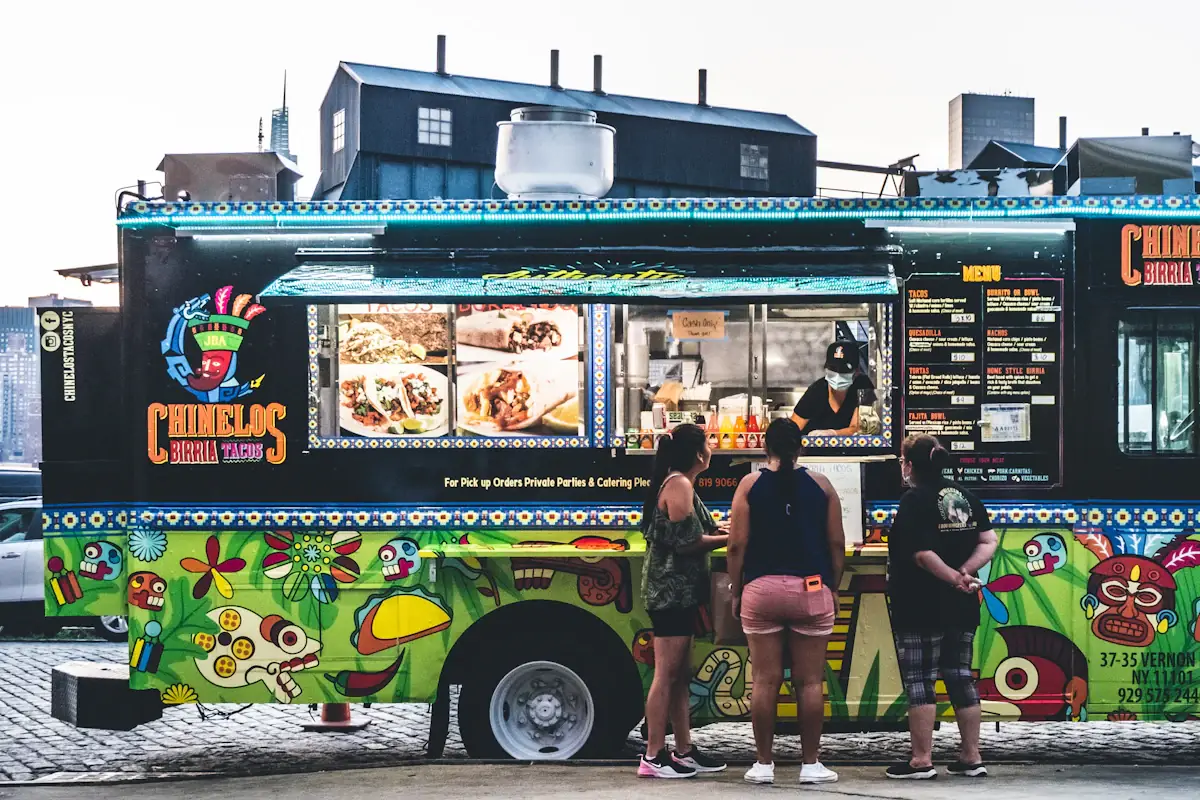
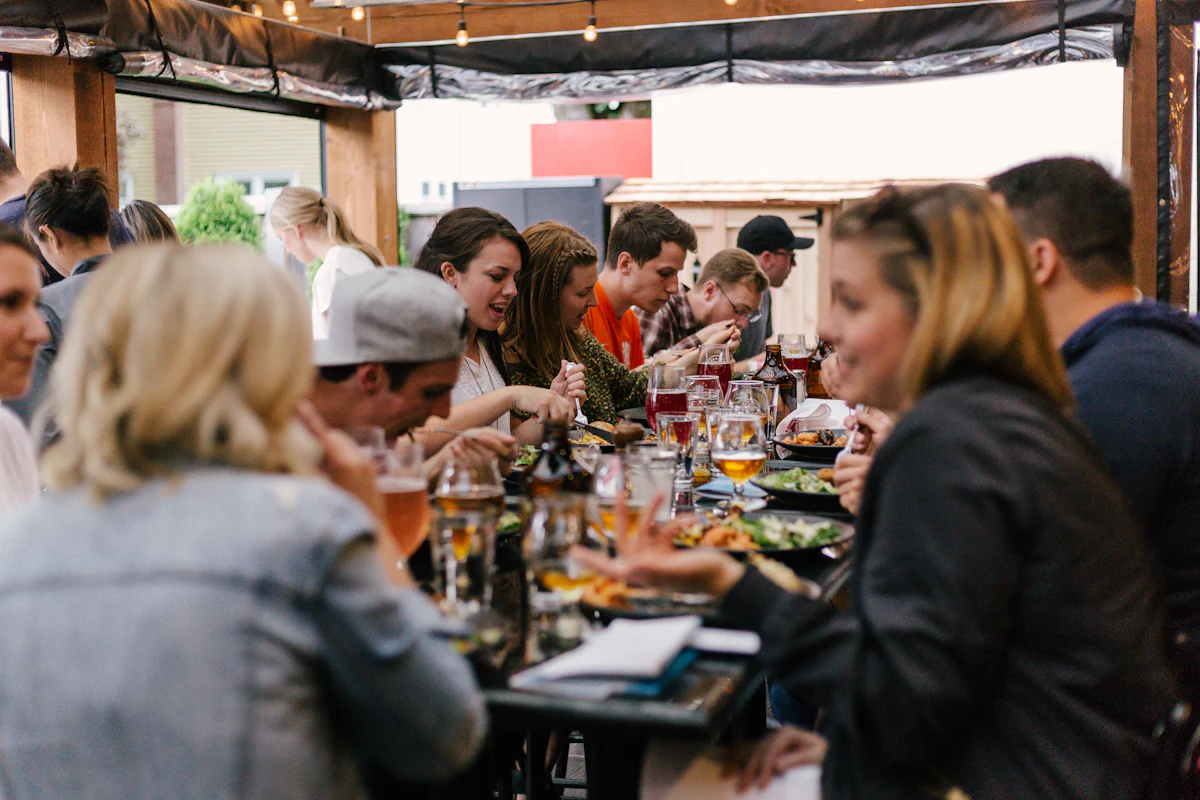
You order at the window, pay, and wait for your name or number to be called. Popular carts can have lines at peak times, so the smart move in a group is to split up: one person queues for noodles, another for tacos, a third finds a table. Orders come in disposable or compostable containers, and you eat at whatever communal seating the pod offers.
Amenities vary widely
Some pods are polished, with covered pavilions, heaters, string lights, a beer bar and clean restrooms. Others are a handful of carts and a few picnic tables on gravel. Neither is better; they are simply different experiences. If restrooms, shelter or accessibility matter for your group, check ahead.
Hours
Downtown carts often focus on weekday lunch and may close in the afternoon. East-side pods tend to stay open into the evening, especially on weekends. Individual carts set their own hours and sometimes close for holidays, weather or sold-out days, so check each cart’s social media before you go.
What to Order: A Cuisine-by-Cuisine Guide
The joy of a pod is range. In a single lot you might find food from four continents. Here is how we approach the most common categories.
Thai and Southeast Asian
Portland has a deep bench of Thai cooking, and carts are often where you find the most focused menus — sometimes a single dish done perfectly, like poached chicken over fragrant rice with ginger sauce. Look also for Vietnamese banh mi, Filipino plates, and noodle soups that are especially welcome on a damp day.
Mexican and Latin American
Tacos, burritos, tortas, pupusas, arepas and empanadas are all cart staples. Order a few tacos with different fillings rather than one big plate, and do not skip the salsas.
Middle Eastern and Mediterranean
Falafel, shawarma, gyros and mezze plates travel well and suit shared eating. These carts are often reliable for vegetarian and vegan options.
Korean, Japanese and fusion
Korean rice bowls, bulgogi, Japanese curry, ramen and inventive fusion — kimchi quesadillas and the like — are part of the cart vocabulary. Fusion is where Portland carts most often take creative risks.
Plant-based and vegan
Portland has long been one of the country’s most vegan-friendly cities, and carts reflect that. Beyond the usual falafel and veggie burritos, look for all-vegan carts doing plant-based takes on comfort classics, from mac and cheese to “chicken” sandwiches. Even omnivores in your group will rarely feel shortchanged.
Comfort food, barbecue and sweets
Fried chicken, smoked meats, biscuits, poutine and grilled cheese all have devoted followings. Save room for dessert carts serving crêpes, doughnuts, waffles or ice cream, and look for coffee carts to round things off.
| Cuisine | What to order | Good for |
|---|---|---|
| Thai and Southeast Asian | Chicken and rice, curries, noodle soups, banh mi | Rainy days, spice lovers |
| Mexican and Latin American | Mixed tacos, pupusas, arepas, tortas | Sharing, budget meals |
| Middle Eastern | Falafel, shawarma, mezze plates | Vegetarians, groups |
| Korean and Japanese | Rice bowls, bulgogi, curry, ramen | Hearty lunches |
| Comfort and barbecue | Fried chicken, smoked meats, biscuits, poutine | Big appetites, after a hike |
| Dessert and coffee | Crêpes, doughnuts, waffles, espresso | Finishing a crawl |
Neighborhood by Neighborhood
The cart map changes constantly, so rather than point you to specific lots that may have moved, here is how the scene feels in each part of the city.
Downtown
Downtown carts serve the weekday lunch crowd. Expect fast lines, office workers and plenty of grab-and-go options. Weekend and evening hours are thinner than on the east side, but downtown remains a convenient introduction for visitors staying in city hotels.
Southeast: Division, Hawthorne and Belmont
Southeast Portland is the heart of evening cart culture. The Division, Hawthorne and Belmont corridors mix pods with bars, bakeries and vintage shops, so it is easy to make an evening of it. Pods here are more likely to have beer gardens, covered seating and later hours.
North: Mississippi Avenue
North Mississippi Avenue is a walkable strip of restaurants, music venues and shops, and carts have long been part of its fabric. It is a good choice for a weekend afternoon wander that ends with dinner outdoors.
Northeast: Alberta and beyond
The Alberta Arts District in Northeast Portland pairs galleries and murals with an eclectic food scene. Summer evenings around the monthly Last Thursday art walk are lively, and carts fit the street-festival spirit. Elsewhere in Northeast, smaller pods serve their neighborhoods, often with a family-friendly feel.
St. Johns
At the city’s northern tip, beneath the soaring St. Johns Bridge, this independent-minded neighborhood has a small-town main street feel. Its carts tend to be local favorites, and pairing a cart lunch with a walk in nearby Cathedral Park makes a lovely half day.
Practical Tips for Eating at Food Carts
Cash or card
Most carts accept cards and mobile payments, but connections occasionally fail and a few smaller operators prefer cash. Carry a small amount, especially for tipping.
Dressing for the weather
Portland’s rainy season runs roughly from October through May. A waterproof jacket is essential, and in winter it is worth seeking out pods with covered, heated seating. In summer, look for shade on hot afternoons.
Visiting with kids
Pods are naturally kid-friendly: everyone can choose something different, the noise level is forgiving, and nobody minds a little mess. Bring wipes, and check whether the pod has restrooms before you commit to a long stay.
Dietary needs
Portland is famously accommodating of vegan, vegetarian and gluten-free diets, and many carts label their menus clearly. Because cart kitchens are small, cross-contact is hard to avoid, so anyone with a serious allergy should ask directly before ordering.
Finding carts that are open now
Because lineups shift so often, the most reliable information comes straight from the carts themselves. Most post daily hours, specials and closures on social media, and many pods maintain their own websites listing current tenants. A quick check before you leave home can save a disappointing trip.
Getting around
Portland is easy to explore without a car. Buses, the MAX light rail and the streetcar reach most cart-heavy neighborhoods, and the city’s bike lanes make pedaling between pods a pleasure in dry weather. If you do drive, street parking near busy east-side pods fills quickly on weekend evenings, so allow time to circle the block.
A Sample Self-Guided Food Cart Crawl
This flexible plan works best on a weekend afternoon in Southeast Portland, where carts, bars and shops sit close together. Bring two to four friends so you can share.
- Early afternoon: start light. At your first pod, split a few tacos or a plate of dumplings. The goal is variety, not volume.
- Walk it off. Stroll the neighborhood for twenty minutes. Browse a bookstore or record shop and let your appetite reset.
- Mid-afternoon: something substantial. At a second pod, order one hearty dish — a curry, a rice bowl or a barbecue plate — and share it family-style.
- Happy hour: a drink and a snack. Choose a pod with a bar and pair a local beer or cider with something crisp and salty, like fries or fritters.
- Finish sweet. End at a dessert or coffee cart with a crêpe or a doughnut and an espresso.
If you would rather have someone else map it, our custom culinary itineraries can build a crawl around your neighborhood, dates and dietary needs.
Food Cart Etiquette
- Tip your cooks. Many cart owners are the cook, cashier and dishwasher all at once.
- Do not hog tables. When it is busy, finish up and make room. Share tables happily.
- Bus your own spot. Sort waste into the correct bins: compost, recycling and landfill.
- Respect house rules. Some pods do not allow outside alcohol or dogs in seating areas.
- Be patient. Food is made to order in tiny kitchens. A good meal is worth a few minutes.
Beer, Cider and Wine Pairings
Many pods include a bar or beer garden, which makes pairing part of the fun. Oregon’s brewing, cider and wine scenes give you plenty to work with.
Beer
A crisp pilsner or lager is the universal cart companion, cutting through fried food and calming chili heat. Hazy IPAs suit tacos and barbecue; a dry stout is a fine partner for smoked meats.
Cider
Dry Northwest ciders are wonderfully versatile and naturally gluten-free. Their bright acidity flatters pork, fried chicken and spicy Thai dishes.
Wine
Where wine is available, an off-dry Oregon Riesling handles spice beautifully, while a chilled Gamay or a rosé of Pinot Noir works with almost anything. For more on Oregon wine, see our Willamette Valley Pinot Noir guide.
Food Carts and Sustainability
Carts have a small footprint by design, but they generate plenty of takeout waste. Many pods now provide compost bins and encourage compostable packaging, and some carts offer a discount for bringing your own container or cup. We like to carry a reusable fork and water bottle, and to take leftovers home rather than toss them. Small habits matter when you multiply them by the thousands of meals served from Portland carts every day.
Supporting carts is also a way of supporting local economies. Many source produce from regional farms and the city’s markets, and the low cost of entry keeps the culinary scene open to cooks who might never secure a restaurant lease. Every lunch you buy helps keep that ladder in place.

Final Thoughts
Portland’s food carts reflect the city at its best: inventive, inclusive, unpretentious and a little scrappy. The lineup you find this year will be different from the one you find next year, and that is part of the appeal. Go with an open mind, an appetite and a raincoat, and you will eat extraordinarily well for the price of an ordinary lunch. For more ideas on exploring the city and beyond, browse our travel stories.
Want a crawl built around your tastes, schedule and group? Let us design one for you through our custom culinary itinerary service.
Frequently asked questions
What is a food cart pod in Portland?
A pod is a shared lot where several independent food carts rent space from a landlord who usually provides power and communal seating. Some pods add covered areas, restrooms and a bar, so you can mix and match dishes from different kitchens in one sitting.
Do Portland food carts take credit cards?
Most carts accept cards and mobile payments, but a few smaller operators prefer cash and connections occasionally fail. Carrying a little cash for backup and tips is a smart habit.
Are Portland food carts open in winter?
Many carts operate year-round, though hours can shrink in the rainy months and some close for bad weather or holidays. Look for pods with covered, heated seating and check each cart’s social media before heading out.
Are Portland food carts good for vegans and people with allergies?
Portland is very vegan- and vegetarian-friendly, and many carts label their menus clearly. Because cart kitchens are tiny, cross-contact is hard to avoid, so anyone with a serious allergy should ask the cook directly before ordering.